The benefits of coaching span far beyond what most people initially envision when they find themselves Googling “career coach near me” late at night after a frustrating day at work. Our ...
Read More

Knowing when and how to find a career coach can make all the difference. Let’s face it, no one ever teaches you how to navigate your career. At best, we get half-hearted questions like, “What do you want to be when you grow up?” and “Do you know what you’re going to do when you finish school?” From there, you can try to find a mentor or hope for a great boss who might help you get promoted or otherwise grow in your career. More often than not, though, you’re left to figure it out on your own. And that’s where a career coach can step in. But finding the right person to help you along the way can feel daunting. That’s why we’re here to help you understand how to choose the right coach for you! First, though, let’s start with the basics. What is a Career Coach? Instead of simply telling you what to do, coaches empower you to leverage your resources and find the best solution for yourself, no matter the challenges you’re facing in your work life. Whether you’re at a crossroads or seeking advancement, they can provide invaluable support tailored to your unique goals and challenges. What Does a Career Coach Do? Career coaches can support you with a number of things from finding clarity around your career path, or finding a new job (think resume review and interview preparation), to confidence building, decision-making and leadership development. If you’re feeling stuck in your current role or seeking more satisfaction in your work life, they will empower you to take aligned action towards your goals. They can also assist in making sense of your professional aspirations and guide you through potential career changes. Through exploration, strategy, and accountability, a career coach helps you move forward with intention to achieve your own unique version of success. Why You Need a Career Coach Figuring out your next career move can feel like a full-time job. Between researching roles, updating your resume, networking, and second-guessing yourself at every turn, it’s easy to feel overwhelmed or stuck. A career coach brings a grounded, objective perspective and stays current on the job market and hiring trends. They help you cut through the noise, clarify what really matters to you, and focus your time and energy where it counts. They’ll help you move forward with more direction and less stress, while supporting you to build confidence, hone your transferable skills, and take meaningful steps toward a career that actually feels right. View this post on Instagram A post shared by Ama La Vida | Online Career Coaches (@alvcoaching) Before You Start Searching, Understand Your Support Needs Before you dive into your search, take a moment to reflect on the following questions to help you pinpoint the specific support you need. Are you looking for clarity on your career path or considering a career change? If you’re reconsidering your career trajectory and exploring a career transition, you’ll need a specific kind of support. This kind of coaching focuses on exploration, getting to know yourself and what a successful career looks like for you. A career coach trained in career exploration may not focus on technical support, but rather self-awareness to guide your decision. Are you looking for a new job in the same industry? Maybe you enjoy your current job, but want a change—whether it’s a new role, a better company culture, higher pay, or more work-life balance. If this is the case, you may want to find a career coach who specializes in your industry. Do you need technical support like resume review or job search guidance? If you’re looking for resume writing, interview prep, or job search strategy, you may benefit more from a coach that also doubles as a career consultant. This type of support is often advice-heavy and focused on helping you navigate the process efficiently. Are you looking to grow within your current role or industry? Career development coaching can support leadership growth, skill-building, and strategic planning. This is great for mid-career professionals to senior leaders who want to advance, become more effective, or explore what’s next in their field. How to Find a Career Coach that Fits Your Needs Understanding how to find a career coach that’s truly right for you can feel overwhelming at first, but it doesn’t have to be. With the right approach, this process becomes an empowering step toward real, lasting professional growth. Instead of spending hours searching online, scrolling through endless bios, and wondering if a coach will “get” you, there’s a simpler way. Let Ama La Vida’s Relationship Strategists Do the Work for You At Ama La Vida, we take the guesswork out of finding your ideal coach. Our coach-matching process is deeply personal and 100% human. You can get started by filling out a quick form about your goals and needs, or jump on a free consultation call with one of our Relationship Strategists. During the call, they’ll ask thoughtful questions to understand your challenges, goals, and preferences. Then, based on that conversation, they’ll hand-select a certified coach from our diverse team of 60+ career experts who best aligns with your needs. You’ll receive a link to their profile, which includes their experience, specialties, and testimonials—plus you can schedule a complimentary coach consultation to make sure it’s the right fit. You’re not limited to just one coach either. Through our “celebrity sessions,” you can meet with other experts on our team to explore topics outside your primary coach’s expertise. It’s full-cycle career coaching, built around your goals. Ask Your Network or Therapist for Referrals Another great way to find a career coach is to tap into your network, as they can offer valuable recommendations based on their own experiences. Talk with people who you trust, discussing your career goals, and ask if they can recommend any reputable coaches. Additionally, if you’re currently seeing a therapist, they may also be a helpful resource. Leverage Coaching Directories and Social Media If you’d
Read More Knowing when and how to find a career coach can make all the difference. Let’s face it, no one ever teaches you how to navigate your career. At best, we get half-hearted questions like, “What do you want to be when you grow up?” and “Do you know what you’re going to do when you finish school?” From there, you can try to find a mentor or hope for a great boss who might help you get promoted or otherwise grow in your career. More often than not, though, you’re left to figure it out on your own. And that’s where a career coach can step in. A career coach is someone specially trained to help you navigate your entire career journey. They can help you decide what career you want, create a career plan, and even navigate getting a new job or making a larger career change. But finding the right person to help you along the way can feel daunting. That’s why we’re here to help you understand how to choose the right coach for you! First, though, let’s start with the basics. What is a Career Coach? A career coach guides individuals along their career path. Contrary to popular belief, they are different from mentors and provide a different type of support than consultants. Instead of simply telling you what to do, coaches empower you to leverage your resources and find the best solution for yourself, no matter the challenges you’re facing in your work life. Whether you’re at a crossroads or seeking advancement, they can provide invaluable support tailored to your unique goals and challenges. What Does a Career Coach Do? Career coaches can support you with a number of things from finding clarity around your career path, or finding a new job (think resume review and interview preparation), to confidence building, decision-making and leadership development. If you’re feeling stuck in your current role or seeking more satisfaction in your work life, they will empower you to take aligned action towards your goals. They can also assist in making sense of your professional aspirations and guide you through potential career changes. Through exploration, strategy, and accountability, a career coach helps you move forward with intention to achieve your own unique version of success. Why You Need a Career Coach Figuring out your next career move can feel like a full-time job. Between researching roles, updating your resume, networking, and second-guessing yourself at every turn, it’s easy to feel overwhelmed or stuck. A career coach brings a grounded, objective perspective and stays current on the job market and hiring trends. They help you cut through the noise, clarify what really matters to you, and focus your time and energy where it counts. They’ll help you move forward with more direction and less stress, while supporting you to build confidence, hone your transferable skills, and take meaningful steps toward a career that actually feels right. View this post on Instagram A post shared by Ama La Vida | Online Career Coaches (@alvcoaching) Before You Start Searching, Understand Your Support Needs Before you dive into your search, take a moment to reflect on the following questions to help you pinpoint the specific support you need. Are you looking for clarity on your career path or considering a career change? If you’re reconsidering your career trajectory and exploring a career transition, you’ll need a specific kind of support. This kind of coaching focuses on exploration, getting to know yourself and what a successful career looks like for you. A career coach trained in career exploration may not focus on technical support, but rather self-awareness to guide your decision. Are you looking for a new job in the same industry? Maybe you enjoy your current job, but want a change—whether it’s a new role, a better company culture, higher pay, or more work-life balance. If this is the case, you may want to find a career coach who specializes in your industry. Do you need technical support like resume review or job search guidance? If you’re looking for resume writing, interview prep, or job search strategy, you may benefit more from a coach that also doubles as a career consultant. This type of support is often advice-heavy and focused on helping you navigate the process efficiently. Are you looking to grow within your current role or industry? Career development coaching can support leadership growth, skill-building, and strategic planning. This is great for mid-career professionals to senior leaders who want to advance, become more effective, or explore what’s next in their field. How to Find a Career Coach that Fits Your Needs Understanding how to find a career coach that’s truly right for you can feel overwhelming at first, but it doesn’t have to be. With the right approach, this process becomes an empowering step toward real, lasting professional growth. Instead of spending hours searching online, scrolling through endless bios, and wondering if a coach will “get” you, there’s a simpler way. Let Ama La Vida’s Relationship Strategists Do the Work for You At Ama La Vida, we take the guesswork out of finding your ideal coach. Our coach-matching process is deeply personal and 100% human. You can get started by filling out a quick form about your goals and needs, or jump on a free consultation call with one of our Relationship Strategists. During the call, they’ll ask thoughtful questions to understand your challenges, goals, and preferences. Then, based on that conversation, they’ll hand-select a certified coach from our diverse team of 60+ career experts who best aligns with your needs. You’ll receive a link to their profile, which includes their experience, specialties, and testimonials—plus you can schedule a complimentary coach consultation to make sure it’s the right fit. You’re not limited to just one coach either. Through our “celebrity sessions,” you can meet with other experts on our team to explore topics outside your primary coach’s expertise. It’s full-cycle career coaching, built around your goals. Ask Your Network or Therapist
Read More
Feeling stuck at work and finding yourself constantly wondering “Should I quit my job?” 🤔The truth is, most of us have been there at some point! Deciding whether it’s time to walk away from a job can feel daunting, but that’s where our 5-minute Should I Quit My Job Quiz comes in. We know that leaving a job is a big deal. That being said, it’s incredibly important to be in the right role, especially when you consider that the average person will spend 30% of their waking hours working. Yes, you read that right! 🤯 That’s why we created this quick and easy quiz to help you reflect on your current situation and get clarity on whether it’s really time to pursue new opportunities. Once you have your results, keep reading, because there’s more to explore beyond the quiz! We’ll also break down what your score means and guide you towards your best next steps. Ready to get the answers you’ve been looking for? Let’s do this! 👇 Should I Quit My Job Quiz: Do I Stay or Do I Go? This 20-question quiz takes less than 5 minutes and offers valuable insights to help you decide whether or not it’s time to look for a new job. We’ll dive into how to interpret your results below so you can plan your next steps. How to Calculate Your Quiz Score Rate the below statements based on your current job experience on a scale from 1 to 5. Then add up your responses to get your final score. 1 = Strongly Disagree 2 = Disagree 3 = Neutral 4 = Agree 5 = Strongly Agree Quiz-Taking Tip: When possible, avoid selecting ‘3’ or ‘neutral’. Instead, lean toward either agreeing or disagreeing. Only choose ‘neutral’ if you really can’t decide, as this won’t help in making a decisive decision. Take the “Should I Quit My Job Quiz” (TypeForm Quiz Below) Interpreting Your Quiz Results: Let’s Make Sense of your Score Now that you’ve taken the quiz, it’s time to dive into what your score reveals about your current job satisfaction. Below, you’ll find a quick summary of each score range to help you understand your results and offer guidance on how to move forward. Reflect and Reassess You scored between 20-40 Your responses suggest that you’re not exactly satisfied in your current role. This could be a good time to reflect on whether this job aligns with your values, goals, and well-being. Consider exploring what’s missing (hint – the statements that you scored particularly low) and ask yourself whether these can be addressed. If not, it might be time for a change, so consider exploring new opportunities that better align with your needs. Address Challenges You scored between 41-60 You’re not completely dissatisfied with your current job but seem to be facing some notable challenges. Review the areas where you scored 3 or below and consider if these issues can be resolved through discussions with your manager or adjustments to your approach. Reflect on whether the positive aspects of your role (those you scored 4 or 5) outweigh the negatives. If the challenges seem too significant or unresolvable, it might be time to explore other opportunities. Refine Your Experience You scored between 61-80 Your answers suggest that you’re generally content with your role, though there may be some areas worth addressing. Take a closer look at the statements where you scored lower and consider how these factors might be impacting your overall job satisfaction. Before making any major decisions, explore ways to address these concerns proactively within your current role or company. Reflect on what’s working well and think about how you can build on these positives to enhance your experience. Maximize Your Potential You scored between 81-100 Your responses indicate a high level of satisfaction with your job. You seem to be in a role that aligns well with your needs, values, and professional goals. Continue to nurture and invest in your current position, while staying open to opportunities for further growth and advancement. Even if you’re content with your job, consider exploring ways to challenge yourself and expand your horizons within your role. Reflect on how you can continue to evolve and explore opportunities to take on new projects or responsibilities that align with your interests and future career goals. Dig Deeper: Do a Gut Check and Reflect on What Matters This quiz is just one piece of the puzzle. While it offers valuable insights, it’s important to consider your bigger picture—such as your current priorities and personal values. Keep in mind that this quiz gives each statement equal weight, and what we know for sure—life rarely works that way. What’s important to you is likely to shift depending on where you are in your journey. At certain times, like preparing for a major life event such as having a baby or buying a home, stability and compensation might outweigh other factors. On the other hand, if you’re early in your career or exploring new paths, purpose and passion may be at the top of your list. The key is to understand that not all elements of your role are equal, and their importance can fluctuate with your circumstances. That’s why we encourage you to take some more time to reflect on what truly matters to you in a job right now. You took the time to complete a “Should I Quit My Job Quiz,” which means something is prompting this reflection. What is it? We’d also like to acknowledge that ‘should’ is a loaded word. Only you know what’s best for you! To guide your deeper reflection, ask yourself: Trust your instincts, and give yourself some space to explore what’s really driving your decision. What Now? Turning Your Insight into Action So, you’ve taken the quiz and reflected on your answers—now what? Whether your results nudged you toward staying with your current role or looking for a new job, it’s time to turn that insight into action.
Read More
Can you relate? You’re right out of high school or college, you’ve got the whole world ahead of you, you’re daydreaming about your new career and feel like you have a myriad of career choices in front of you. It feels all lined up, everything is in place, there’s a plan. And then life happens and time passes, and you wake up one day and you find yourself saying “How did I get here?” and “I don’t know what career I want anymore.” Maybe life got so busy, you forgot to pay attention to what you needed, what your interests were, or what you were passionate about. Or maybe yet, you’ve only been out of college for a few years now and the promises of career clarity from your degree program – or the lack of it – have you wondering what you want to do with the rest of your life. Maybe you feel like you don’t know how to get the job you want or what that job even is. Ask yourself these questions to uncover what career you might want Before jumping into a complex job market without clarity around what it is you’re actually looking for, spend some time seeking the answers to these questions. Don’t let the external job market dictate your career path or decisions about what the right career is for you. Instead, conduct internal investigations first: revealing your vision, clarifying your interests, articulating your strengths, filling in any gaps, and deciding what the best fit is for you. For more specifics on a step-by-step guide to asking these important questions, check out Coach Brooke’s breakdown of Ama La Vida’s career transition process. What does my “dream job” look like? Spoiler: there’s no such thing as a “dream job.” Well, at least in the sense you might be thinking about it. Your dream career is the career you decide is the right fit for you that contributes to the overall life you are building and growing. Ask yourself: what are the practical things I need this career to provide? So, instead of starting with “what is the name of the career/job that I need to target,” know what you want out of the practical pieces of your career and get clear about how you need work to function in your life. What industry or industries interest me? Now that you have an understanding of how you want your career to fuel your life, it’s time to focus on what industries or companies have paths that fit. These days, there seem to be as many career options as there are people, so having a focus is key to making progress. Start a list! Whether you’re jotting it down on paper, keeping it in a spreadsheet, or using a job search platform to track, keep a list and look for patterns around what keeps coming up for you. What type of work suits my interests, skills and personality? The sweet spot of a fulfilling career for many people is at the intersection of passions, values, and strengths. Picture it as a Venn diagram of overlapping circles and we’re all aiming for that one little section that overlaps them all. A key point is that clarity around these 3 areas is effective in narrowing down the seemingly limitless possibilities of career choices. Pro tip: Some of us, in different seasons of our lives, don’t necessarily want to fulfill our passions inside our careers. Don’t feel like your work has to be the one and only answer to serving your passions, values, and strengths. Instead, understand these things about yourself. Naming them clearly will help you know how you need work to contribute to them! Research different career paths Now that you’ve focused your inquiry internally, it’s time to turn outward to see what’s out there. You’ll want to explore general information about career paths as well as specific jobs being advertised. You’ll begin to figure out what is a strong match for your needs, your interests, and your path as you continue to investigate. You can engage with O*NET Online, a robust database about all occupations from the Department of Labor. This allows you to understand in-demand careers, requirements for different paths, info on salaries, and growth opportunities for thousands of potential careers. Read different job descriptions Once you have an understanding of what paths could be a good fit, start job researching by looking at ads to see what’s out there. What company keeps catching your eye? What position(s) meet your needs and interests? Keep a list of phrases, keywords, requirements, etc. that you see that matches what you learned about yourself. Soon, you’ll start to piece together an understanding of what’s out there, what employers are looking for, and where your next step might lie. Note: This process of researching is different from searching for jobs. You are not reading every job description you see and scrutinizing it as a potential fit. You are researching what’s out there. Suspend that urge to rule things in or out based on how you feel about your qualifications and ability. Take in information, keep track of what you learn, and then look for patterns. Volunteer Now that you’ve investigated online, it’s time to turn to real-world, people-focused investigation. The best and most informative kind! Volunteering helps you build new skills, gain experience, and understand new worlds of work and impact, and can clue you in on new potential paths and opportunities. Beyond hands-on experience that you can leverage in a new way, you will meet new people in spaces new to you. You can learn from like-minded AND differently-minded people to better understand what a great fit can be for your career path. Consider either using a strength you have to help in an industry new to you OR building a new strength in a familiar industry or initiative. Opportunities abound to volunteer locally and remotely (for example, platforms like Catch a Fire provides skill-based matching
Read More
The benefits of coaching span far beyond what most people initially envision when they find themselves Googling “career coach near me” late at night after a frustrating day at work. Our ...
Read More
Career Clarity isn’t just about choosing the “right job.” It’s about finally being able to exhale because something clicks. It’s about knowing that you’re on the righ ...
Read More
Wondering if you’re experiencing imposter syndrome? Our Imposter Syndrome Quiz is designed to help you find out. If you’ve ever felt like a fraud, convinced that despite your achievement ...
Read More
The mid-year review process typically causes employees to roll their eyes, feeling that their boss is just checking another box off their list. In fact, did you know that according to G ...
Read More
Knowing when and how to find a career coach can make all the difference. Let’s face it, no one ever teaches you how to navigate your career. At best, we get half-hearted questions like, “What do you want to be when you grow up?” and “Do you know what you’re going to do when you finish school?” From there, you can try to find a mentor or hope for a great boss who might help you get promoted or otherwise grow in your career. More often than not, though, you’re left to figure it out on your own. And that’s where a career coach can step in. But finding the right person to help you along the way can feel daunting. That’s why we’re here to help you understand how to choose the right coach for you! First, though, let’s start with the basics. What is a Career Coach? Instead of simply telling you what to do, coaches empower you to leverage your resources and find the best solution for yourself, no matter the challenges you’re facing in your work life. Whether you’re at a crossroads or seeking advancement, they can provide invaluable support tailored to your unique goals and challenges. What Does a Career Coach Do? Career coaches can support you with a number of things from finding clarity around your career path, or finding a new job (think resume review and interview preparation), to confidence building, decision-making and leadership development. If you’re feeling stuck in your current role or seeking more satisfaction in your work life, they will empower you to take aligned action towards your goals. They can also assist in making sense of your professional aspirations and guide you through potential career changes. Through exploration, strategy, and accountability, a career coach helps you move forward with intention to achieve your own unique version of success. Why You Need a Career Coach Figuring out your next career move can feel like a full-time job. Between researching roles, updating your resume, networking, and second-guessing yourself at every turn, it’s easy to feel overwhelmed or stuck. A career coach brings a grounded, objective perspective and stays current on the job market and hiring trends. They help you cut through the noise, clarify what really matters to you, and focus your time and energy where it counts. They’ll help you move forward with more direction and less stress, while supporting you to build confidence, hone your transferable skills, and take meaningful steps toward a career that actually feels right. View this post on Instagram A post shared by Ama La Vida | Online Career Coaches (@alvcoaching) Before You Start Searching, Understand Your Support Needs Before you dive into your search, take a moment to reflect on the following questions to help you pinpoint the specific support you need. Are you looking for clarity on your career path or considering a career change? If you’re reconsidering your career trajectory and exploring a career transition, you’ll need a specific kind of support. This kind of coaching focuses on exploration, getting to know yourself and what a successful career looks like for you. A career coach trained in career exploration may not focus on technical support, but rather self-awareness to guide your decision. Are you looking for a new job in the same industry? Maybe you enjoy your current job, but want a change—whether it’s a new role, a better company culture, higher pay, or more work-life balance. If this is the case, you may want to find a career coach who specializes in your industry. Do you need technical support like resume review or job search guidance? If you’re looking for resume writing, interview prep, or job search strategy, you may benefit more from a coach that also doubles as a career consultant. This type of support is often advice-heavy and focused on helping you navigate the process efficiently. Are you looking to grow within your current role or industry? Career development coaching can support leadership growth, skill-building, and strategic planning. This is great for mid-career professionals to senior leaders who want to advance, become more effective, or explore what’s next in their field. How to Find a Career Coach that Fits Your Needs Understanding how to find a career coach that’s truly right for you can feel overwhelming at first, but it doesn’t have to be. With the right approach, this process becomes an empowering step toward real, lasting professional growth. Instead of spending hours searching online, scrolling through endless bios, and wondering if a coach will “get” you, there’s a simpler way. Let Ama La Vida’s Relationship Strategists Do the Work for You At Ama La Vida, we take the guesswork out of finding your ideal coach. Our coach-matching process is deeply personal and 100% human. You can get started by filling out a quick form about your goals and needs, or jump on a free consultation call with one of our Relationship Strategists. During the call, they’ll ask thoughtful questions to understand your challenges, goals, and preferences. Then, based on that conversation, they’ll hand-select a certified coach from our diverse team of 60+ career experts who best aligns with your needs. You’ll receive a link to their profile, which includes their experience, specialties, and testimonials—plus you can schedule a complimentary coach consultation to make sure it’s the right fit. You’re not limited to just one coach either. Through our “celebrity sessions,” you can meet with other experts on our team to explore topics outside your primary coach’s expertise. It’s full-cycle career coaching, built around your goals. Ask Your Network or Therapist for Referrals Another great way to find a career coach is to tap into your network, as they can offer valuable recommendations based on their own experiences. Talk with people who you trust, discussing your career goals, and ask if they can recommend any reputable coaches. Additionally, if you’re currently seeing a therapist, they may also be a helpful resource. Leverage Coaching Directories and Social Media If you’d
Read More
If you’re here to download a career plan worksheet, chances are you’re feeling stuck in your career. We get it—we’ve been there too. Maybe you never really knew what you wanted, you followed a career path only to realize something was missing, or life is just taking you in a new direction. Whatever has you here, we understand that making a change can feel overwhelming. Before you spend hours filling out job applications or years getting more education or training, we’re sharing our method to help you figure out your next career move. Download our comprehensive career plan worksheet to get started paving a fulfilling career path. We created this free in depth guide to help you begin exploring career options and making a plan that works for you. Understanding Career Transitions For Ama La Vida members, career transitions can be driven by things like the desire for better work-life balance or higher income, job dissatisfaction, or going after their dream job. While our members want to find a job that aligns with their interests, it’s normal for them to feel a mix of emotions from excitement to worry that they wasted time getting to where they are now. Some even worry that the next job won’t be any better than the last. It’s true, making a job transition can be scary, but with a proven strategy you can move forward with confidence. This part is all about self-reflecting to understand what you truly want for your career and then figuring out the steps needed to achieve it. Let’s get into it! Using Career Plan Worksheets: Your Road to Rediscovery Think of a career worksheet as your personal roadmap. It’s a tool that helps you figure out your work goals and how to reach them. Unlike those quizzes that tell you what job you should have based on your skills and personality, a career plan is all about creating a step-by-step strategy to achieve your specific career dreams. The main parts of a great career plan include: Setting goals helps you know exactly what you’re aiming for, which keeps you motivated. Focusing on skill development means you’re always learning what you need to succeed. And when you have a big, long-term goal, you can break it down into smaller tasks that are easier to tackle. Each part of the worksheet helps create a solid plan, leading you to a career that’s both successful and aligned. Design Your Dream Career with Our Career Plan Worksheet Our downloadable template allows you to explore and identify your best path forward. You’ll reflect on your values (what’s important to you), interests (what you love doing), and skills (what you’re good at). When you understand these things about yourself it’s much easier to narrow down and decide between different careers. By doing research, networking (talking to people in different fields), and having informational interviews (chatting with people about their jobs), you learn a lot about various industries and roles. Taking the time to do this research ensures your future career goals match what is important to you personally and your skills. Not only does career planning help you clarify what jobs interest you, but it also gets you ready for job applications by highlighting your relevant qualifications and experiences. Chances are, you didn’t have a plan when you found your current job. Without a worksheet, your next job search might be all over the place. You could end up applying to jobs that don’t really suit you, feeling lost, and not reaching your full potential. A Harvard Business Review article shared that very few people think about their career over the next five years. This worksheet will help you set long-term career goals—these are the big objectives you want to achieve in your work life. They guide your career path and help you make better short-term decisions. By exploring and planning systematically, career worksheets pave the way to career satisfaction. Overcoming Obstacles and Staying Motivated Balancing career exploration with your current responsibilities can be tricky. It takes good time management and prioritization. To make it work, set aside specific time each week to explore jobs and learn new skills. Sometimes, you might feel scared or doubtful about the process. To overcome these feelings, break your goals into smaller, more manageable tasks. Then, celebrate each small win as you complete them. Ask mentors, colleagues, and friends for advice and encouragement. Don’t be afraid to seek help or use resources like career coaches and online courses to fill in what you don’t know. Stay interested in your journey by reminding yourself of your long-term goals. You can make a vision board or post reminders for yourself of why this transition is important to you. Don’t forget, by planning methodically and using support, you can achieve your career dreams. Making the Most of Career Plan Worksheets Take time for self-reflection To get the most out of these career plan worksheets, start with honest self-reflection. Really dig into your skills, interests, and values to create a clear career plan. Work your way through the questions in each section of the PDF worksheet guide to help you uncover what’s most important to you. Ask for feedback Share your completed worksheets with mentors or colleagues for feedback. Their insights will help you spot your natural talents. Make it a research project Do thorough career research to understand job requirements and industry trends. This includes having informational interviews to learn about daily life in different roles. Yes, it’s work, but this can also be fun! You’re learning about potential careers that match your own interests. Make sure to take note of what sounds interesting to you! Actioning The Career Planning Process Once you’ve built a career plan, it’s time to put it into action. Here are few ways to get started. Prepare for your job search Keep a log of your accomplishments and add to it often. You can use these to update your resume to match your goals and new
Read More
If you’re here, looking into Ama La Vida Coaching reviews, you’re probably wondering: Does this coaching thing actually work? And maybe more importantly—is it worth the investment? 🤔 We get it. Coaching isn’t cheap. It’s vulnerable. And it’s a time commitment. But if you’re stuck in a job that drains you, navigating a career pivot with no map, or silently screaming, “There’s got to be more than this,” then coaching might be the most important investment you’ll ever make. Below, we’re sharing real Ama La Vida coaching reviews—from folks just like you—who decided to stop spiraling and start building a career (and life) that actually feels good! Why People Work With Us: The Moment Something Snaps Whether it’s burnout, boredom, or the quiet panic of “I should be farther along by now,” most people come to us feeling stuck. They’ve been applying, applying, applying. They’re saying “yes” when they mean “no.” They’ve hit a wall, but don’t know which way to turn. Take it from our client Evan. Evan had a quiet, gut-level knowing that something needed to change after 11 years at the same company. He didn’t just want a new job. He wanted a fresh start, a life that felt like his again. Clarity > Chaos: What Happens When You Actually Know What You Want Career confusion is loud. Career clarity? Game-changing. Once you understand (and own) your passions, gifts, values and purpose and zero in on the destination you’d like to target, the rest of the steps start to reveal themselves. With his coach, Evan unpacked what actually mattered to him—his values, his purpose, his passions. The work didn’t just help him build a résumé; it helped him build career clarity. And from there, everything else changed too. What we’ve realized through supporting thousands of clients: people don’t need more advice. They need to pause long enough to hear their own voice. That’s what coaching with Ama La Vida offers: a mirror, a map, and moments to reconnect with yourself. We don’t tell you what to do. We help you figure out what you want to do. Then we walk with you and guide you while you do it. Coaching + eCoaching = Transformational Magic Ama la Vida is so much more than just one-hour zoom calls. We love a good coaching session. But make no mistake: that’s just one part of the magic. What really sets our programs apart is what continues to happen between the sessions—when you’re reflecting, questioning, journaling, and connecting the dots. That’s where our signature eCoaching programs come in. Think of eCoaching as your personal development portal. You get access to structured content, self-paced reflection exercises, and prompts designed to help you dig deeper, get unstuck, and create the clarity you’re craving. One client, Jemma, came to us during a career transition. She knew she wanted a change, but didn’t know what that change looked like yet. “The e-Coaching course was very supportive, informative and helpful during my career transition. Personally I was looking to make a change but wasn’t sure which direction to head. I discovered that the exercises in the program were like someone handing me the keys to my own future.” – Jemma The exercises helped her shift how she thought about her options, uncovering answers that had been there all along—she just needed the right framework to surface them. Every ALV coaching client gets access to these digital coaching programs in their account. So if you’re someone who likes time to think, write, reflect, or revisit a tough topic later, that’s all baked in. You can log in anytime between sessions to reflect, revisit a prompt, or keep building clarity at your own pace. Want to try it for yourself? We’ve pulled one of our favorite eCoaching modules into a free downloadable workbook, so you can get a feel for the kind of reflection, insight, and action this work unlocks. Download it, dive in, and see what starts to shift when you finally make space to hear your own voice. Your Career, Your Coach, Your Fit Ama La Vida isn’t isn’t cookie-cutter coaching. It’s tailored to you. Because we understand that a coach who gets you changes everything. When you join Ama La Vida, you don’t get randomly assigned to a coach by an algorithm. You meet with a real, live human—one of our Relationship Strategists—who takes the time to understand your story, your goals, and what kind of support you’re really looking for. From there, we match you with the coach who’s the best fit for you, not just on paper, but in vibe, style, and substance. And the best part? You’re never limited to just one voice. You’ll also have access to expert-led Celebrity Sessions™ with other coaches on our team when you want to dive into something specific. From Seattle to Chicago to Sydney, our coaches and clients span industries, cities, and career stages—but they all have one thing in common: they believe work should support a life you love. Pivots, Promotions, and Permission to Want More Maybe you’ve been successful on paper—but secretly feel like a fraud. Maybe you’ve been promoted, but you’re feeling unfulfilled. Or maybe you would like to explore a path that feels more meaningful. You’re not wrong for wanting something different. And you’re definitely not broken. It means you’re ready for something more aligned. At Ama La Vida, we support clients through both career growth and career change. Sometimes that means pivoting. Sometimes it means rising where you are. And sometimes? It means taking a completely unexpected route. Just ask the Big 4 consultant who came to us filled with doubt, fear, and guilt about walking away from a high-paying role. Coaching helped her untangle those emotions, reconnect with her values, and design a career on her own terms. Today, she runs her own business—and her life feels like hers again. Want to see what that kind of shift can look like? Read our case study: How Coaching Can
Read More
I was staring at what should have been a pretty vase with a round belly and a tall narrow neck, but it looked more like a wonky ball of clay. After weeks of successfully throwing mugs, bowls, and yes… even plates, I had decided to challenge myself with something more creatively complex and demanding. That day, our teacher had brought this beautiful bottle vase to the studio, and I decided that would be my next challenge. After a demo and some 1:1 coaching, my hands were trying to partner with the clay to get to the desired outcome. I was following each step carefully, trying to remember everything I had just seen and learned, and slowly but surely the frustration started building in my chest. This was hard. This was uncomfortable. And this was not going to an easy 20 minute throwing session. This was about to take an entire hour. Something about the struggle felt familiar from my work as a coach—I was watching someone (myself) navigate the messy, vulnerable process of growth. The Discomfort of Growth Those first attempts at pottery were humbling in ways I hadn’t expected. My hands and my brain, usually confident in guiding others through career transitions, felt uncertain against the clay. I was reminded of the countless clients who have sat across from me, describing their resistance to taking on a challenging new project or considering a role that felt just out of reach. There’s something deeply human about our instinct to stay where we feel competent, where we know we can succeed. But here’s what both pottery and career development have taught me: there’s a crucial difference between productive discomfort and destructive stress. Productive discomfort is that feeling when you’re stretching just beyond your current capabilities—your hands are learning new muscle memory, your brain is forming new neural pathways. Destructive stress is when you’re forcing outcomes, fighting against your natural limitations, or pushing so hard that you’re likely to break something (or yourself) in the process. In other words, if the challenge becomes too much, we stop functioning in positive and supportive ways. This reminded me of a graph I printed out years ago when I started coaching clients that’s been up on my wall in my office for all this time: the optimal tension curve, or stress performance curve: Image Source The Paradox of Endless Possibilities Walking into a ceramics studio for the first time can be overwhelming. There are many different clay types, then you learn about hundreds of glazes and glaze combinations, countless techniques to master, the wheel, handbuilding, and infinite forms to explore. Functional or decorative pieces—the possibilities stretch endlessly in every direction. It’s exhilarating and paralyzing at the same time. I see this same paralysis in my coaching practice regularly. Clients come to me feeling stuck, not because they lack options, but because they have too many. Should they pursue the MBA or focus on gaining more practical skills? Explore the startup world or aim for a role at an established company? Stay or leave? When they are ready to pivot, in what direction? The abundance of choice quickly becomes a barrier to movement. In pottery, I’ve learned that you have to pick a direction and start somewhere, even if it’s not perfect. You can’t master everything at once, and trying to do so often leads to mastering nothing. The same principle applies to career development. Sometimes the best choice is simply to make a choice and begin learning from the experience. The Creative Flow as Mental Sanctuary When I decided to start pottery classes last year, one of the things I was most looking forward to was how the creative process would benefit my mental wellbeing. There’s something about doing something with your hands and exposing yourself to what is “new”, this complete focus that creates a meditative state I can’t replicate anywhere else. I’m still using the analytical part of my brain—the part that’s constantly strategizing and problem-solving for clients—when I’m throwing. But instead of strategizing for someone else, I problem solve in the moment, thinking about what the final product will look like. It is a very tangible process. This creative flow has become non-negotiable in my week. After days spent helping others navigate complex career decisions, I need this space where my hands can work and my mind can wander. It’s not just relaxation; it’s a different kind of thinking. Again, being in that flow state teaches me about optimal challenge levels. When I’m working with clay and everything clicks—when the pressure is just right, the clay is centered, and the form is emerging as I envision it—I’m in that sweet spot where skill meets challenge. It’s taught me to recognize this feeling and help my clients find it in their professional lives too. Building Your Foundation Before You Stretch In pottery, and most other crafts, there’s a progression that can’t be rushed. You learn to center clay before you learn to pull walls. You master basic shapes before attempting complex forms. Skip these fundamentals, and everything becomes an exercise in frustration. The same principle applies to career development, though it’s often less obvious. I’ve worked with clients who want to leap into senior leadership roles without first developing their ability to influence without authority. Others want to transition into completely new industries without identifying and building transferable skills or understanding the new landscape. The temptation is always to jump ahead, to want the big breakthrough immediately. These foundational elements are what make ambitious stretches possible rather than just wishful thinking. When you have a solid foundation, the sea of possibilities becomes less overwhelming and more navigable. You can evaluate opportunities based on how they build on your existing strengths rather than feeling like you’re starting from scratch each time. One Step at a Time It was during one of my first pottery classes that our teacher warned us of the almost inevitable overwhelm students feel when they start learning about different
Read More
The benefits of coaching span far beyond what most people initially envision when they find themselves Googling “career coach near me” late at night after a frustrating day at work. Our clients typically come to us with a specific and fairly surface-level goal in mind, like hitting their career goals or finally feeling aligned in both their personal and professional life. But what inevitably happens is that a great coaching program helps you not just accomplish what you want but also address the things you need in order to thrive in both your personal and professional development. This might be building your confidence, getting clarity about your career path or overcoming analysis paralysis. They are all enablers of goal achievement that coaching quickly dials in on to help you get where you want to go. The Real Benefits of Coaching (That Might Surprise You) 76% of our clients have never worked with a coach before when they reach out to us. They have a vague idea of what a coaching relationship can do for them, but they’re not entirely sure. Before we dive into specific types of coaching, let’s pull back the curtain on what coaching actually looks like. Whether it’s career, life, or leadership coaching, the coaching process creates a powerful container for personal and professional growth, career development, and good old-fashioned self reflection. It’s not about getting advice—it’s about having the space to think clearly, challenge yourself, and grow in ways you didn’t expect. A Safe Space with Zero Judgment (and 100% Truth Bombs) While many of us are lucky to have wonderful support systems around us of friends and family, each of these people has a distinct perspective on our lives which is shaped by their relationship with us. Coaches, however, have no such bias. Coaches are there solely to help us achieve success and personal growth on our own terms. In a professional environment, we often can’t explore ideas with colleagues and bosses due to the impact it may have on them, and we may not feel comfortable opening up about our insecurities. Having a safe space in a coaching session to explore these ideas, test new behaviors and evaluate different decisions is an invaluable resource. A client shared with me, “As a leader I love that I have a safe space to say what is on my mind and either get validation or feedback to think through.” Coaching is often the only space where employees develop the confidence to talk through the hard stuff—no office politics, just honest insight. This helps empower individuals to find to their own answers (not just take advice) and boosts individual performance, which is one of the most unexpected benefits of coaching. Accountability That Doesn’t Feel Like a Shame Spiral Many of our clients have shared that they initially felt embarrassed that they needed their coach to keep them accountable. They would say things like, “Shouldn’t I just be able to do that on my own?” No! External accountability is critical for most people to accomplish what they set out to do. This is especially true in today’s busy world with many competing demands for our attention. Throughout your youth, external accountability was abundant: school deadlines, parents holding us accountable, guidance counselors reminding us of due dates. But in adulthood, we are largely on our own to set deadlines and accomplish our goals. Having a coach support you with this is a smart strategy to ensure you stay on task. The focus with your coach isn’t pressure, it’s progress, with actionable steps tailored to help you move forward confidently. But it’s also so much more than just project management. It’s about doing the right things, not just checking a box. When we are moving a million miles an hour, we often measure our contributions in terms of how many things we crossed off the to-do list. But moving from one task to the next without taking time to reflect can actually cause you to miss opportunities to learn, derive insights and make better decisions in the future. Dedicated time for reflection helps you better plan for the future. Coaching creates a space in your day where you can slow down and be both reflective and intentional. It can break down a behavioral pattern you’ve sunk into and allow you to purposefully design a more optimal behavior. Instead of just moving along to the next thing and potentially repeating the same mistakes, dedicating this time to reflection with a skilled professional can help you generate frameworks and philosophies that lead to better decisions going forward. Better Problem Solving (Without the Mental Ping-Pong) So much of life’s angst comes from stressing about what might happen. Whether it’s making a big life decision or figuring out how to tackle a problem at work, a prolonged mental swirl can bring about a lot of unnecessary anxiety. These decisions are tough to make, and there is always fear about making the wrong choice. Coaching combats this challenge head on. It brings clarity to overthinkers, helping to structure decision-making, and boosting creative thinking, especially in high-stakes situations. I tend to be an overthinker and a ruminator. I often enter my coaching sessions with a cacophony of thoughts swirling around my brain that are exhausting me. This causes me to not show up as my best self for my team. Coaching helps me make sense of the noise, organize my thinking, and make decisions with more self-confidence and clarity. I often say that my favorite coaching sessions are the ones where nothing has changed and yet everything has changed. I didn’t actually do the thing I’ve been swirling about during my coaching session. But I walked in completely overwhelmed and stressed, and I walked out with clarity and a confident path forward. It truly makes all the difference when it comes to time management, problem solving and decision making. Shine a Flashlight for Your Blindspots You don’t know what you don’t know—until a coach helps you
Read More
Are you feeling stuck in your job search because you lack a college degree? You’re not alone. In fact, according to CNBC “62% of Americans don’t have a degree.” The good news? There are countless jobs with no degree required, and it’s entirely possible to build a rewarding career at any age without one! Actually, contrary to popular belief, there are many high-paying jobs that do not require a four-year college degree. Here’s how you can get a new job at any age by building a strong personal brand, focusing on transferable skills, engaging in your network and embracing lifelong learning without going back to school. The Importance of a Strong Personal Brand Knowing your personal brand is crucial in today’s competitive job market. It helps you stand out from other candidates and showcases your value to potential employers. You can incorporate your experience and professional persona which allows you to be memorable and trustworthy. It helps companies and potential employers value your character and experience, regardless of a degree. Here are two steps to help you get started building a strong personal brand. Define Your Unique Value Proposition What specifically sets you apart from other people in your field? Think about your skills, strengths, and experience and focus on your unique qualities. Take some time to reflect on what you enjoy doing, what people ask you for help with, and even what you have done in previous work—inside or outside the office. Do not limit yourself to traditional work experience! For example, you have probably been responsible for key duties on a team in some capacity, maybe even led one. That is a valuable strength you can showcase, no matter what your formal background is. Or maybe you were responsible for training new volunteers or managing personal event logistics. These are all experiences and skills worth highlighting. Just because your previous experience may not have been paid, that doesn’t mean it wasn’t valuable! Want some more help? Download our free Career Method Guide to get full workbook of questions. Once you have a sense of what sets you apart from other people around you, write a clear and concise statement that explains who you want to be known for professionally. This statement becomes the foundation of your own personal brand and guides how you present yourself in your resume, cover letter, and what you talk about in interviews. Develop Your Online Presence These days, most networking and job searching happens online. Whether you’re using LinkedIn or another social media tool or website, by putting yourself out there and making a connection with more people, you’re bettering your chances of learning about new career opportunities you might not have otherwise known. Take the time to build out your professional profile on whichever site you decide to use. You can keep your unique value proposition close as you do it to remind yourself what you want to highlight. Then, take time to find other people who talk about what you’re interested in learning more about and connect with them. You can respond to what they write or post, share your own thoughts, and maybe even form a real connection with them. You can create a simple personal website or portfolio to showcase your experience, skills, or certifications. For example, if writing is something you enjoy, you can also create content of your own on a blog to position yourself as an expert. You can dig in deeper to developing your personal brand right here. Leverage Transferable Skills When you don’t have a degree, leveraging transferable skills becomes essential because it allows you to demonstrate your ability to perform job functions effectively based on your previous experiences, even if they weren’t paid. If you’ve ever had to collaborate on a team project—whether at work, volunteering, or even in a hobby group—you already have transferable skills. These skills show employers that you have the practical capabilities to succeed in the job, regardless of your education. To do this, look up job postings and descriptions that you are interested in and read what the hiring managers are looking for in candidates. Don’t get overwhelmed at the long list of criteria—no one meets those 100%! Instead, look for key themes and repeated experiences. Many of those you may already have or be able to learn through an online course or simply reading a book from the library. Next, tailor your resume to highlight your experience that is most relevant to that role. Remember to share the outcome, not just the task. For example, if the role focuses on process improvement or project management, you can highlight how you led projects that consistently delivered under budget or within a tight timeline. Be specific and use numbers when possible to illustrate your strengths. Network for Career Success Imagine having access to a wealth of career opportunities that never make it to online job boards. For someone without a degree, having a professional network is even more critical—it opens doors that may otherwise remain closed, creates connections that bypass formal education requirements, and often leads to your next great career move. Building a professional support system or team of mentors and peers can make all the difference. Stay connected to industry events and meetups for your selected field. As you speak with people, ask for advice on what the newest trends are and what skills are the most important. Continue the connection on the appropriate social media platforms, especially LinkedIn. Building professional connections is important because it allows you to tap into the hidden job market, gain valuable industry insights, and build relationships that can advance your career. Embrace Lifelong Learning Even people with advanced degrees need to keep learning new things. In fact, life-long learning is a trait that many employers look for as they’re hiring. It’s no secret that technology is advancing at a quicker and quicker pace. As overwhelming as this can seem, it’s also an amazing opportunity. With all these advancements, most people
Read More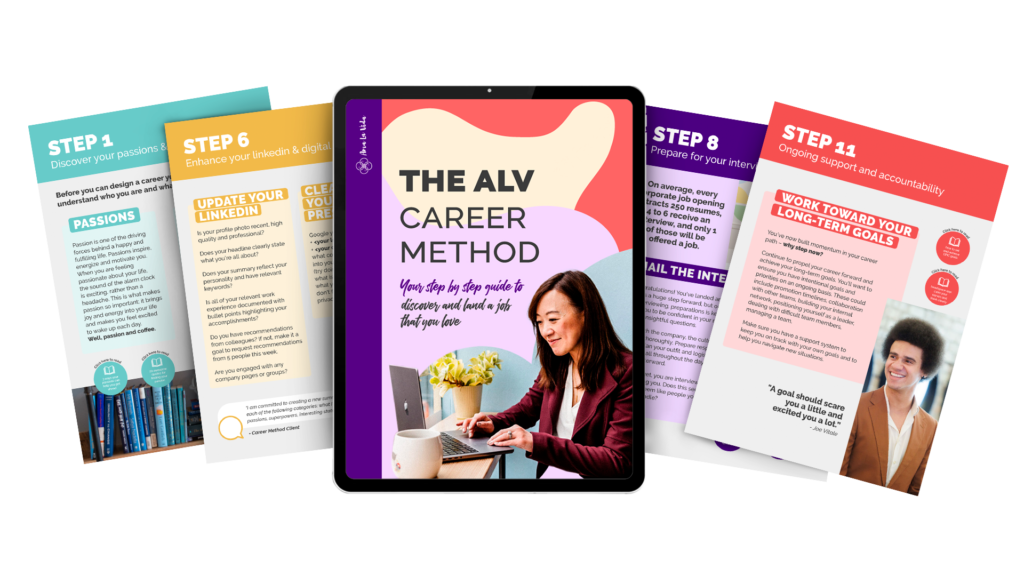

Self-doubt and overthinking are a bit of a chicken-and-egg situation. Self-doubt fuels overthinking, and overthinking, in turn, amplifies self-doubt. Self-doubt is the feeling of not trusting yourself—your voice, your ideas, or your ability to figure things out. Overthinking involves pondering on the “what ifs” and focusing on the possibility of things going out of control or what is lacking. They tend to grow louder when: Here’s the tricky part: self-doubt and overthinking don’t always shout. They often conspire with each other and show up as your brain’s way of protecting you. They hide behind beliefs like: They manifest through: When layers of doubt stack up, overthinking sets in. When you immerse yourself in endless “second thoughts,” self-doubt swallows you. You told yourself you were “being careful” or “being strategic about risks,” but in reality, you were trying to avoid the pain of not feeling enough. Real Client Stories Greg, a former athlete working in finance, often compared himself to others and worried about how he was perceived by them. If he wasn’t outperforming his peers, he felt like he was falling behind. Without external validation, his self-doubt grew louder. He felt stuck, measuring his worth by his achievements and comparing himself to others. Patty, an operations manager, believed that anything less than perfect meant failure. She would triple-check every email, over-prepare for meetings, and shut down when things felt chaotic. She doubted her ability to handle tough situations. The constant overthinking left her mentally and physically drained. Different stories, same struggle: self-doubt and overthinking. They worry about not being enough. What Causes Self-Doubt and Overthinking at Work? To understand the root cause of self-doubt and overthinking, you must first recognize that they affect all of us to some degree. Within a trauma-informed context, the analogy of the survival brain vs. the thinking brain shows how the brain prioritizes safety and bypasses rational thought. In moments we perceive as dangerous—physically or emotionally—the survival brain triggers the fight-or-flight response. Connecting the dots, self-doubt and overthinking are a form of psychological flight response. Maybe we were told, directly or indirectly, that making mistakes wasn’t okay. That being wrong meant something was wrong with us. If we were slower at learning, we were seen as less capable than those who were faster and sharper. We may have also witnessed others being judged or shamed for not conforming to our cultural norms, and we play it safe to follow all the rules. We started measuring our value through overachievement or external praise. We learned not to rock the boat or upset anyone to maintain a sense of control and perfection. If we grew up in a family affected by generational trauma, past pain, fear, or silent suffering, it can get passed down. No one talks about it, and we normalize it, live through it, and potentially pass it down to our next generation. Self-doubt and overthinking become even more prevalent in toxic work cultures and competitive environments where psychological safety is lacking. It can feel like others are constantly judging you and every day is a high-stakes performance. Eventually, burnout happens. Mental and physical depletion become a theme. Constant anxiety begins to compromise our overall well-being. The Vicious Cycle: Negative Thoughts and the “What Ifs” When self-doubt and overthinking take root, it creates an endless feeling of “not ready yet” or “I’m not enough yet.” No matter how careful you are, you still worry about doing it wrong. No matter what you accomplish, you downplay it. No matter how far you’ve come, you focus on what’s still missing. Your brain is wired to run through a list of “what ifs,” looking for flaws and chasing a moving target of “enoughness.” It’s a vicious cycle that slowly erodes your confidence. Another Real Client Story Charlotte has a harsh inner critic that constantly reminds her of her flaws. With that critical voice playing in the background, she struggles to celebrate wins or receive compliments without deflecting or downplaying them. She couldn’t bring herself to send out her resume because she didn’t think it was “ready.” She assumed her past work experience wasn’t enough. She spent hours revising, hesitating, and over-preparing, rather than actually applying. Staying stuck in this loop of negative self-talk holds Charlotte back and stops her from even giving herself the chance to let new opportunities become possible. How Self-Doubt Impacts Your Confidence (and Career) Self-doubt and overthinking might feel personal, but they’re incredibly common, especially in the workplace. You might feel like a fraud or constantly seek others’ opinions because you trust them more than yourself. These are classic signs of low self-esteem that often go unnoticed in high-achievers. You might find it hard to celebrate wins and harder to receive a genuine compliment without deflecting or diminishing it because you don’t think you truly earned it. Your work takes longer to complete as you spend too much time predicting every possible outcome. You are on high alert and fear failure, so you don’t raise your hand as the stake is too high to put yourself out there. If this resonates with you, you are not alone. These behaviors exist even in people you you see as more “successful” than you. However, these tendencies hurt your growth and impact your productivity. The biggest loss? Missed opportunities. You second-guess yourself and avoid challenges that could help you grow. The more uncertain you feel, the less motivated you are to pursue new possibilities. That inaction turns into regret, which then reinforces more doubt and frustration. Practical Strategies to Stop the Spiral Self-doubt and overthinking can’t be entirely eliminated—they’re part of your inner safety system. But they don’t have to run the show. Think of them as signals and reminders to pause, reflect, and make more conscious choices. When you find yourself going down the spiral, break away from your thoughts by taking a few deep breaths and bringing your attention back to the present moment. You can try noticing the five senses (sight, sound, smell, taste,
Read More
Career Clarity isn’t just about choosing the “right job.” It’s about finally being able to exhale because something clicks. It’s about knowing that you’re on the right path, not just chasing someone else’s version of success. Many people who come to us for career transition coaching are already ambitious, accomplished, and “doing great” on paper. But on the inside? Something feels off. Take Alexandra. On paper, she had it all together. But she told us, “I was in a job I didn’t love and had no idea what I wanted to do with my career.” She wasn’t lazy, wasn’t lacking talent. She was just tired. Tired of mindlessly scrolling the job boards and receiving half-baked advice. Tired of trying to figure it all out without a clear roadmap. So, she intentionally made a change and got support. Using the process outlined in this article, Alexandra stopped spiraling and found the clarity and confidence she was looking for. And guess what? She didn’t just land the right role—she found that deeper sense of alignment she’d been chasing. If you’re nodding along right now, this article’s for you. Let’s cut through the noise and help you find the career clarity (and confidence) you’ve been craving. View this post on Instagram A post shared by Ama La Vida | Online Career Coaches (@alvcoaching) Why Having Career Clarity Matters Getting clear on who you are now—what drives you, what’s changed, and what’s holding you back—isn’t just a fluffy “self-help” exercise. It’s the foundation of a fulfilling, sustainable career. Without it, you’re throwing darts in the dark. As a Career Coach, one of the most common (and costly) mistakes I see most people make: You’re feeling stuck or downright miserable in your current job, so you panic-search LinkedIn, start eyeing roles that look almost identical to the one you’re trying to escape and mass apply with the same outdated copy of your resume. Sound familiar? If you don’t slow down to gain career clarity and figure out why you’re unhappy in the first place, you’re just going to carry that confusion with you, into the next role, the next team, the next “maybe this time it’ll be better” leap. It’s like moving across the world to “start fresh,” only to realize you packed all your problems in your carry-on. (I know from experience. 😬) You don’t need another job you’ll dread in six months. You need a clear direction, purpose and a career path that feels like it was actually created for you. This is exactly why the first phase of the Ama La Vida Career Method is all about looking inward before you launch your job search. Because a successful career transition doesn’t start with scrolling job boards, it starts with getting radically honest with yourself. Look Inward First: Explore Your Strengths, Interests & Values At Ama La Vida, we break career clarity into four parts: your passions, purpose, values, and gifts (aka your strengths). We’ve learned what works from experience guiding thousands of clients through career transitions. The magic is truly in the self-reflection. As our COO, Foram puts it: “Our clients find the most insight during their self-exploration, which not only helps them figure out a career path that they may not have thought out but also allows them to carry these insights into their daily life. It’s a win-win!” The clarity you uncover now won’t just help with your next career move. It will support you for the long haul in different areas of your life. So before you scroll through another job board or rewrite your resume, start here: What Lights You Up? (Your Passions & Interests) You don’t have to turn every passion into a paycheck, but weaving some of them into your work will keep things fun and fulfilling. These are the things that make you lose track of time. The things you’d do even if no one paid you (but, please, still get paid). Think hobbies that you pursue in your free time, topics that energize you, or the kinds of work that leave you buzzing rather than burned out. Reflection questions: What Are You Naturally Good At? (Your Gifts & Talents) These are the technical skills, strengths, and quirks that make you, well, you. Maybe you’re the go-to for keeping calm amidst the chaos. Or the one who can build a killer project plan spreadsheet in under 10 minutes. These gifts are the secret sauce that make you shine. Reflection questions: What Matters Most? (Your Values) This is the piece almost everyone skips. But ignoring it is like building the foundation for your dream home on quick sand. (Spoiler: it won’t hold.) Your values pretty much influence everything you do. And if they don’t, you’re most likely feeling misaligned. Values should come into play when you make any kind of decision, including assessing career choices, what kind of work culture best fits you, and whether or not you’ll feel aligned in your role. Not everybody will thrive in a highly structured, rules-driven organization. But on the flip side, not everyone feels comfortable in a fast-moving, loosely defined environment either. If you value creativity, innovation, and agility, a workplace bogged down by red tape probably won’t be the best fit. But if you crave stability, clear expectations, and a dependable routine, a startup-style culture with constant pivots might leave you feeling overwhelmed. Knowing your values helps you recognize what’s truly non-negotiable. It’s what keeps you grounded when making tough decisions or evaluating options, and helps you understand why something may feel off. Reflection questions: Why Does It All Matter? (Your Purpose) Before you panic and try to write a life manifesto, take a deep breath. This isn’t about solving all the world’s problems. It’s about identifying the kind of impact you want to make in this season of your career. Your purpose probably will change and evolve along with you. What matters is that it’s meaningful to you in some way. Reflection questions: But, What If
Read More
Wondering if you’re experiencing imposter syndrome? Our Imposter Syndrome Quiz is designed to help you find out. If you’ve ever felt like a fraud, convinced that despite your achievements, someone will eventually discover you’re not capable or deserving of where you are, you’re not alone. Imposter syndrome is a silent epidemic impacting many of us. Research published in the International Journal of Behavioral Science indicates that about 70% of individuals will experience imposter syndrome during their professional lives—but my coach’s intuition tells me that number is even higher. Imposter syndrome creates a cycle of self-doubt, anxiety, and negative self-talk that can hold you back from embracing new opportunities and achieving career success. It can even affect your mental health. If these feelings resonate with you, it’s time to take action. Take our Imposter Syndrome Quiz now to uncover how imposter syndrome manifests for you. Start breaking free from the mental barriers standing in the way of your success! Throughout this article, we use the spelling “imposter syndrome,” though you’ll also see it written as “impostor syndrome.” Both are commonly used interchangeably to describe the same experience. We use “impostor” when directly referencing the work of others who have used that spelling. For example, Dr. Valerie Young, who identified and introduced the five types of Impostor Syndrome in her book. What is Imposter Syndrome? Imposter syndrome is the persistent feeling that you’re not as competent or talented as others believe you to be—despite clear evidence of your achievements. How does experiencing imposter syndrome feel? It often shows up as self-doubt, anxiety, and fear of being “exposed” as a fraud, even among high achievers who have a strong track record of success. This internal struggle fuels negative self-talk and can make it difficult to fully embrace accomplishments or take actionable steps forward in life. What Causes Imposter Syndrome? The imposter phenomenon, a term from clinical psychology, stems from a mix of personal experiences, societal expectations, and workplace pressures. While anyone can experience imposter feelings, research shows that high-achieving women are especially vulnerable. A recent meta-analysis of over 100 studies confirmed that women experience imposter feelings more often than men, highlighting just how widespread this is. This builds on the original work by psychologists Pauline Clance and Suzanne Imes, who first identified the “impostor phenomenon” in 1978, noting that many successful women attribute their achievements to luck rather than to their own abilities. Several factors contribute to the development of imposter syndrome: Upbringing & Parenting Styles Growing up with impossibly high standards, excessive praise, or constant comparisons can shape the belief that success is never enough—or simply a stroke of luck. Parents who emphasize achievement may unintentionally instill a fear of failure and patterns of negative self-talk. Work Environment & Cultural Expectations As a career and life coach, I believe early work experiences strongly shape our beliefs about career potential. Competitive job markets, perfectionist cultures, and limited diversity in leadership often reinforce imposter feelings—especially for high-achieving women, who may feel constant pressure to prove their worth. Perfectionism & Overworking “You can be anything if you try hard enough.” It’s a familiar mantra, but it often fuels overwork and the belief that effort must be endless to be worthy. This mindset is linked to stress, burnout, and depression—common outcomes of internalized perfectionism. External Factors & Social Conditioning Cultural norms, gender expectations, and other environmental factors can set unrealistic standards of success and amplify feelings of imposter syndrome. These narratives can lead individuals to downplay their accomplishments and live in fear of being “found out.” Overcoming imposter syndrome begins with recognizing the influences and other external factors that shape our self-doubt. When we acknowledge these pressures while focusing on what we can control, our mindset, we unlock incredible potential. By challenging negative thoughts, reframing limiting beliefs, and fostering a more empowering workplace culture, we can break free from “impostor feelings” and step into leadership with confidence. How Imposter Syndrome Sabotages Your Career Imposter syndrome is not a diagnosis, but rather a thought pattern. These thought patterns can create mental roadblocks that hinder confidence, professional growth, and leadership potential. When you feel like an imposter, it’s not just an internal struggle—it actively leads to self-sabotage, holding you back from advancing in your career. Imposter syndrome can create a self-fulfilling prophecy, reinforcing the belief that you’re not good enough, even when you have the skills and experience to succeed. Over time, this mindset can limit your growth, impact your confidence, and prevent you from seizing new opportunities. Imposter syndrome can sabotage your career success in many ways. Here are a few examples that might sound familiar: Reluctance to Apply for a New Job Many professionals hesitate to go after new opportunities, believing that because they don’t meet 100% of the qualifications, they can’t apply. This is fear of rejection or “not being ready” and can keep you stuck in roles that don’t challenge or fulfill you. Hesitation to Negotiate Salary or Ask for Promotions When doubt creeps in, you may struggle to advocate for yourself. Imposter syndrome convinces you that you’re lucky to have your position and should just be grateful, making it difficult to ask for the raise or promotion you deserve. Avoidance of Leadership Roles Many high performers feel frustrated watching less-experienced colleagues move into leadership positions because they don’t see themselves as “leadership material.” Part of this is avoiding going after the next leadership opportunity because imposter syndrome may cause a fear of being exposed as a fraud or fear of failure. Withdrawing from Networking or Speaking Opportunities A toxic work environment can reinforce imposter syndrome, making individuals afraid to voice their opinions in meetings or avoid networking events where they feel they don’t belong. Over time, this self-doubt and withdrawal can isolate you and limit your professional growth. By recognizing these patterns, you can start to challenge the negative beliefs that are holding you back. So, what’s the first step to breaking free? Understanding how imposter syndrome manifests in your life. Take
Read More
Knowing when and how to find a career coach can make all the difference. Let’s face it, no one ever teaches you how to navigate your career. At best, we get half-hearted questions like, “What do you want to be when you grow up?” and “Do you know what you’re going to do when you finish school?” From there, you can try to find a mentor or hope for a great boss who might help you get promoted or otherwise grow in your career. More often than not, though, you’re left to figure it out on your own. And that’s where a career coach can step in. A career coach is someone specially trained to help you navigate your entire career journey. They can help you decide what career you want, create a career plan, and even navigate getting a new job or making a larger career change. But finding the right person to help you along the way can feel daunting. That’s why we’re here to help you understand how to choose the right coach for you! First, though, let’s start with the basics. What is a Career Coach? A career coach guides individuals along their career path. Contrary to popular belief, they are different from mentors and provide a different type of support than consultants. Instead of simply telling you what to do, coaches empower you to leverage your resources and find the best solution for yourself, no matter the challenges you’re facing in your work life. Whether you’re at a crossroads or seeking advancement, they can provide invaluable support tailored to your unique goals and challenges. What Does a Career Coach Do? Career coaches can support you with a number of things from finding clarity around your career path, or finding a new job (think resume review and interview preparation), to confidence building, decision-making and leadership development. If you’re feeling stuck in your current role or seeking more satisfaction in your work life, they will empower you to take aligned action towards your goals. They can also assist in making sense of your professional aspirations and guide you through potential career changes. Through exploration, strategy, and accountability, a career coach helps you move forward with intention to achieve your own unique version of success. Why You Need a Career Coach Figuring out your next career move can feel like a full-time job. Between researching roles, updating your resume, networking, and second-guessing yourself at every turn, it’s easy to feel overwhelmed or stuck. A career coach brings a grounded, objective perspective and stays current on the job market and hiring trends. They help you cut through the noise, clarify what really matters to you, and focus your time and energy where it counts. They’ll help you move forward with more direction and less stress, while supporting you to build confidence, hone your transferable skills, and take meaningful steps toward a career that actually feels right. View this post on Instagram A post shared by Ama La Vida | Online Career Coaches (@alvcoaching) Before You Start Searching, Understand Your Support Needs Before you dive into your search, take a moment to reflect on the following questions to help you pinpoint the specific support you need. Are you looking for clarity on your career path or considering a career change? If you’re reconsidering your career trajectory and exploring a career transition, you’ll need a specific kind of support. This kind of coaching focuses on exploration, getting to know yourself and what a successful career looks like for you. A career coach trained in career exploration may not focus on technical support, but rather self-awareness to guide your decision. Are you looking for a new job in the same industry? Maybe you enjoy your current job, but want a change—whether it’s a new role, a better company culture, higher pay, or more work-life balance. If this is the case, you may want to find a career coach who specializes in your industry. Do you need technical support like resume review or job search guidance? If you’re looking for resume writing, interview prep, or job search strategy, you may benefit more from a coach that also doubles as a career consultant. This type of support is often advice-heavy and focused on helping you navigate the process efficiently. Are you looking to grow within your current role or industry? Career development coaching can support leadership growth, skill-building, and strategic planning. This is great for mid-career professionals to senior leaders who want to advance, become more effective, or explore what’s next in their field. How to Find a Career Coach that Fits Your Needs Understanding how to find a career coach that’s truly right for you can feel overwhelming at first, but it doesn’t have to be. With the right approach, this process becomes an empowering step toward real, lasting professional growth. Instead of spending hours searching online, scrolling through endless bios, and wondering if a coach will “get” you, there’s a simpler way. Let Ama La Vida’s Relationship Strategists Do the Work for You At Ama La Vida, we take the guesswork out of finding your ideal coach. Our coach-matching process is deeply personal and 100% human. You can get started by filling out a quick form about your goals and needs, or jump on a free consultation call with one of our Relationship Strategists. During the call, they’ll ask thoughtful questions to understand your challenges, goals, and preferences. Then, based on that conversation, they’ll hand-select a certified coach from our diverse team of 60+ career experts who best aligns with your needs. You’ll receive a link to their profile, which includes their experience, specialties, and testimonials—plus you can schedule a complimentary coach consultation to make sure it’s the right fit. You’re not limited to just one coach either. Through our “celebrity sessions,” you can meet with other experts on our team to explore topics outside your primary coach’s expertise. It’s full-cycle career coaching, built around your goals. Ask Your Network or Therapist
Read More
The mid-year review process typically causes employees to roll their eyes, feeling that their boss is just checking another box off their list. In fact, did you know that according to Gallup only 14% of employees are motivated and inspired by the outcome of a performance review? Here at Ama La Vida, we believe in reframing this mindset. After all, if we have to check the “mid-year review” box, why not turn them into a strategic tool for career growth instead of just going through the motions? Let’s explore what a mid-year review is and how you can be part of the 14% that not only enjoys the process but gains professional development from it. It’s your career, so you need to take an active role! And, if you are a manager that wants to ensure your employees fall into that 14% category, be sure to check out our article: Maximizing Performance Reviews as a Manager. What is a Mid-Year Review? Well, a mid-year review isn’t just an annual review split in half. 🤪 So then, what is it? Let’s start from your manager’s perspective. Hopefully they see the mid-year review as a check-in regarding goal progress, employee performance, and real-time positive feedback. It’s also an opportunity to discuss any areas for improvement. For you, the mid-year review should also include a discussion regarding your employee development and engagement, go through any support you may need on projects, and touch on any feedback you have for your manager. (This process goes both ways after all.) And, when needed, it allows you an opportunity to discuss course correction before the review cycle ends. Briefly Breaking Down the Review Process The mid-year review is the ideal time to evaluate if annual goals need to be tweaked, to have a transparent conversation regarding performance, to celebrate accomplishments, and to discuss professional development plans. The process should encourage a dialog regarding your performance. However, the key to having a successful outcome is for you to take ownership of the conversation. Typically, your company or manager will create a document to review the goal status for each direct report on a team, as well as share any acknowledgements received. These meetings tend to be less formal than an annual review and the flow tends to be focused on discussion about goals. Why Mid-Year Reviews Matter for Your Career As previously described, both the mid-year review and the annual performance reviews are often driven by your manager. Let’s focus on what a mid-year review looks like to you, the direct report. From Gallup, it has been discovered that 53% of employees don’t have a clear understanding of what is expected of them. The mid-year review is your opportunity to gain clarity on expectations, align on priorities, and ensure you’re on the right track with your goals. The Role of Constructive Feedback in Career Growth Your boss will most likely want to provide both positive and constructive feedback, even if you take control of the mid-year review process. Keep in mind that actionable feedback is a gift that you get to choose how to use. Gaining your manager’s perspective on your performance will help you better understand the expectations for your role and identify key skills to develop for future growth within the organization. The reality is it can be hard to receive constructive feedback on your job performance, so learning how to receive feedback well is an important skill set. In this article, the acronym SIFT (Source, Impact, Frequency, and Trends) is shared to approach what to do with the feedback you receive. Once you receive the actionable feedback, thank your manager for sharing it with you. You can say something like “thank you for sharing this with me because I know it isn’t always easy. I want to take some time to digest what you have said.” This allows you to respond later after having thought it through. Leverage Employee Development Through Mid-Year Reviews Another way to leverage career growth through the mid-year review process is discussing your professional development plan. What opportunities will help you grow and expand your skills? Share a few options with your manager that focus on your skills development while supporting the goals of your team and the organization. For example, if you want to develop your data analysis skills and your organization has expanded into a new market, offer to work with the data analysis team to build market research insights. It’s a win-win: the company gains insights, and you get to network with the experts in data analytics. Common Mistakes to Avoid in Mid-Year Reviews There are some common mistakes that employees make during performance reviews. Being aware of and avoiding these missteps can help you turn your review into a productive conversation for both parties. Below, we’ll explore the mistakes we often see our clients make, and in the next section we’ll dive into strategies to ensure you come prepared for a meaningful discussion. Keep in mind that the best way to avoid any unwanted surprises during your mid-year review is to ask for consistent ongoing feedback from your manager frequently. Don’t wait until the evaluation or the mid-year review to discuss your performance. Let’s dive into what the mistakes are and how to handle them. Avoiding Difficult Conversations It might not be fun to receive constructive criticism; however, without it you won’t be able to achieve the success you desire. In their book *Difficult Conversations,* Stone, Patton, and Heen highlight the importance of sharing the impact a difficult conversation had on you and inquiring about the intention behind it. What this means is if your manager provides improvement suggestions, share with them the impact of that feedback and ask what their intention was in sharing it. Most managers have positive intent when sharing feedback but may struggle with how to deliver it sensitively and effectively. Reframing these discussions from being intimidating to thinking about feedback as a gift will help you succeed. Ignoring or Hiding Missed
Read More
Hello, March! 🌸 With spring just around the corner, this month is all about renewal and realignment—not just in your career but in every corner of your life. Think of it as a fresh start to shed what no longer serves you and embrace what fuels your growth. Download our free tech backgrounds to dress up your phone and computer, and keep these mantras front and center all month long.
Read More